If you want an intown Atlanta lifestyle where art, dining, parks, and transit are part of your daily routine, Midtown is hard to overlook. For many buyers, the appeal is not just the skyline or the energy. It is the ease of living in a neighborhood where you can step outside and have real options close at hand. This guide will show you what living in Midtown Atlanta actually feels like, from culture and green space to getting around and choosing the right fit. Let’s dive in.
Why Midtown Atlanta Stands Out
Midtown is one of Atlanta’s most connected and walkable districts. According to Midtown Alliance, residents can reach more than 150 restaurants, over 300 acres of parks and greenspace, and a wide mix of shopping, events, and festivals without leaving the neighborhood.
That convenience helps explain why Midtown feels different from a more car-dependent part of metro Atlanta. Midtown Alliance also reports that the district has about 27,000 residents and that its residential core has more than doubled over the last decade. For you as a buyer, that growth points to a neighborhood with strong lifestyle demand and a well-established urban identity.
Arts Define Midtown Daily Life
For many people, Midtown’s biggest draw is its cultural energy. This is not a neighborhood where the arts feel like an occasional outing. They are part of the area’s identity and everyday rhythm.
Midtown Alliance counts 25 arts and cultural venues, more than 30 permanent performing arts groups, and 22 entertainment facilities in the district. That density creates a setting where live performances, exhibitions, and public events are woven into daily life.
Woodruff Arts Center Anchors the District
The Woodruff Arts Center is one of Midtown’s major landmarks. It is home to the Alliance Theatre, Atlanta Symphony Orchestra, and High Museum of Art, and the organization says it serves more than one million patrons each year, including more than 200,000 students and teachers.
The High Museum of Art adds major depth to the neighborhood’s cultural scene. The museum says it holds more than 20,000 works of art, giving Midtown a museum presence that few Atlanta neighborhoods can match.
Fox Theatre Adds Major Entertainment
The Fox Theatre brings another layer to Midtown’s arts scene. The venue has 4,665 seats and hosts more than 200 performances annually, including Broadway productions, concerts, comedy, and films.
For you as a resident, that means a major night out can be surprisingly easy. Instead of planning a long drive across town, you may be able to walk, take a short ride, or hop on transit to reach one of Atlanta’s best-known performance venues.
Public Art Is Part of the Streetscape
Midtown’s creative character extends well beyond formal venues. Midtown Alliance describes the neighborhood as a hub for public art, and in 2024 it opened the Southeast’s largest outdoor art gallery, featuring more than 200 works on light-pole banners.
That same public art effort includes nearly 70 murals and sculptures in outdoor spaces between buildings. The result is a streetscape that feels more layered and visually active than a typical business district.
Dining in Midtown Is Part of the Appeal
If food and convenience matter to your lifestyle, Midtown checks an important box. Midtown Alliance says the district offers more than 150 dining options, along with a diverse mix of street-level businesses.
That variety supports a routine built around short trips and flexibility. You can picture coffee, lunch, dinner, or a casual meetup fitting into your day without a major commute or a lot of planning.
Variety Supports an Urban Routine
Midtown Alliance also describes the neighborhood as home to many of Atlanta’s innovative and acclaimed restaurants. Just as important, dining here is tied to the way the neighborhood functions. Restaurants, shops, events, and public spaces are part of the same connected environment.
For buyers considering Midtown, this often means your day can feel more efficient. Running errands, meeting friends, or grabbing dinner may fit naturally into a walkable routine rather than requiring separate trips by car.
Parks and Green Space Balance the Skyline
One of Midtown’s biggest surprises for first-time buyers is how much green space it offers. Midtown Alliance says residents have access to more than 300 acres of parks and greenspace, which is an unusually strong profile for a central urban neighborhood.
That balance matters if you want city living without giving up outdoor time. In Midtown, parks are not just decorative. They are part of how many residents exercise, relax, and spend weekends.
Piedmont Park Is a Core Amenity
Piedmont Park is one of Midtown’s defining outdoor features. The park offers more than 200 acres, is open daily from 6 a.m. to 11 p.m., and has BeltLine access along with nearby Midtown and Arts Center MARTA connections.
For daily life, that creates real flexibility. Whether you enjoy morning walks, weekend festivals, running, or simply having open space nearby, Piedmont Park gives Midtown a level of outdoor access that shapes the neighborhood experience.
Botanical Garden and Smaller Parks Add Options
Atlanta Botanical Garden sits next to Piedmont Park in Midtown and includes 30 acres of gardens, Storza Woods, the Canopy Walk, and an award-winning Children’s Garden. It adds another layer of outdoor access in a setting that already feels park-rich.
Midtown Alliance also highlights smaller parks, plazas, and outdoor-dining improvements, including 10th Street Park, the Arts Center Station plazas, and planned outdoor gathering space at Peachtree Place and Peachtree Street. These smaller spaces help make the neighborhood feel usable and active throughout the day.
Getting Around Midtown Atlanta
Transportation is one of Midtown’s strongest practical advantages. If you are comparing intown neighborhoods, this is one area where Midtown stands apart.
Midtown MARTA station sits on the Red and Gold Lines and is the closest station to Piedmont Park. Arts Center Station is also on the Red and Gold Lines and serves the High Museum, Alliance Theatre, Atlanta Symphony Hall, dining, shopping, offices, and multi-residential housing. North Avenue Station is on the same lines and connects to dining, hotels, shopping, offices, and nearby destinations like the Fox Theatre.
Walkability and Transit Support Daily Convenience
Transit is only part of the picture. Midtown Alliance says the neighborhood has 14 miles of new sidewalks, more than 700 trees, public plazas and pocket parks, bike lanes, and two free circulator shuttles.
That infrastructure supports a lifestyle where walking can be a realistic option for many everyday activities. It also gives you more than one way to move through the neighborhood, whether you prefer transit, walking, biking, or driving.
Road Access Still Matters
Even in a walkable district, many buyers still want easy car access. Midtown Alliance notes that the neighborhood has convenient access to I-75/85 and connections to the Westside via five bridges.
That matters if your work, family, or social routine takes you outside Midtown on a regular basis. In practice, Midtown can offer a more flexible mix of urban convenience and regional access than some buyers expect.
What Homes in Midtown Look Like
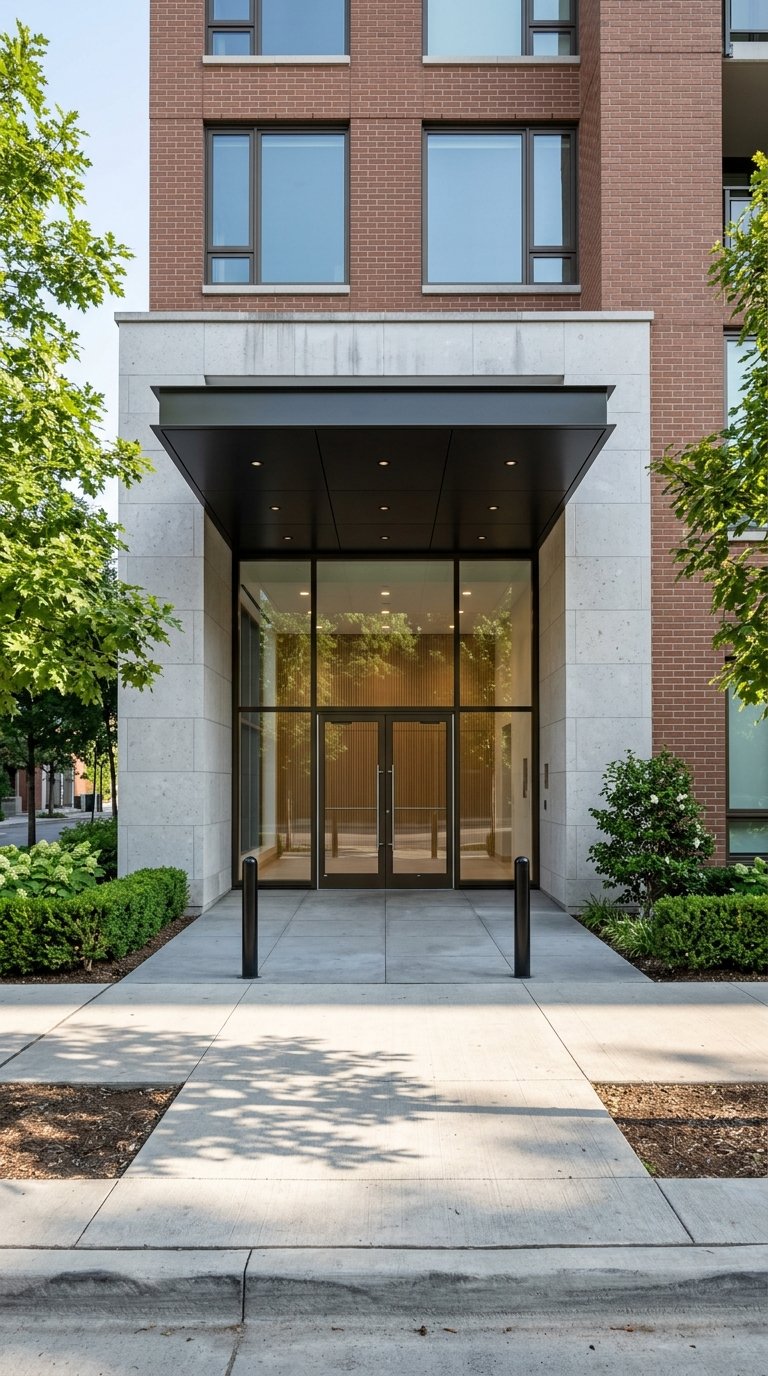
Midtown’s housing mix is broad enough to appeal to different types of buyers. Midtown Alliance describes options that include high-rise condos and apartments, historic and established neighborhoods, and loft-style residences.
On Midtown’s west edge, Atlantic Station adds townhomes, apartments, office towers, retail, and greenspace. For you, that means Midtown is not a one-note condo market. The area offers several versions of intown living, depending on how much density, transit access, and neighborhood texture you want.
Choosing the Right Midtown Fit
In general, homes closest to the station and arts corridor may be the strongest match if you want a highly walkable, transit-friendly routine. Edge locations and nearby established neighborhoods often offer a different scale and feel while keeping Midtown’s amenities within reach.
This is where neighborhood-level guidance matters. Two properties can both carry a Midtown address but deliver very different daily experiences based on building style, street activity, transit proximity, and access to parks or cultural destinations.
Who Midtown Often Appeals To
Midtown often attracts buyers who value convenience, culture, and design as much as square footage. You may be drawn to the neighborhood if you want to live close to restaurants, arts venues, and outdoor space while keeping your commute and routine efficient.
It can also be a strong fit if you are looking at upper-end condominiums or townhome-style living in an intown setting. With so many micro-locations and building types, the key is matching your priorities to the right part of the neighborhood.
Final Thoughts on Midtown Living
Living in Midtown Atlanta means choosing a neighborhood where arts, dining, transit, and green space are not occasional perks. They are part of everyday life. From the Woodruff Arts Center and Fox Theatre to Piedmont Park, MARTA access, and a broad mix of residences, Midtown offers one of Atlanta’s most complete urban lifestyles.
If you are considering a move to Midtown, a clear understanding of building differences, street patterns, and lifestyle fit can make all the difference. For tailored guidance on Midtown condos, townhomes, and intown Atlanta real estate, connect with Stephen Beckwith.
FAQs
What is daily life like in Midtown Atlanta?
- Daily life in Midtown Atlanta often centers on walkability, dining, arts, parks, and transit, with more than 150 restaurants and over 300 acres of parks and greenspace in the district according to Midtown Alliance.
What arts and culture options are in Midtown Atlanta?
- Midtown Atlanta includes major destinations such as the Woodruff Arts Center, High Museum of Art, Alliance Theatre, Atlanta Symphony Orchestra, and Fox Theatre, along with 25 arts and cultural venues counted by Midtown Alliance.
How do you get around Midtown Atlanta?
- Midtown Atlanta offers access to the Midtown, Arts Center, and North Avenue MARTA stations on the Red and Gold Lines, plus sidewalks, bike lanes, free circulator shuttles, and easy access to I-75/85.
What kinds of homes are available in Midtown Atlanta?
- Midtown Atlanta includes high-rise condos, apartments, loft-style residences, townhomes in nearby areas like Atlantic Station, and some historic or established residential pockets.
Is Midtown Atlanta good for buyers who want walkability?
- Midtown Atlanta is well suited for buyers who want a walkable, connected routine, especially in areas near transit stations, arts venues, dining, and major parks like Piedmont Park.