If you want an intown Atlanta neighborhood that feels established without feeling frozen in time, Virginia-Highland deserves a closer look. You may be weighing walkability, architecture, parks, and housing options all at once, especially if you want character and convenience in the same place. This guide will help you understand what Virginia-Highland looks like day to day, what kinds of homes you can expect, and how it compares with nearby intown areas. Let’s dive in.
Why Virginia-Highland Stands Out
Virginia-Highland is a large, primarily residential historic district about three miles northeast of downtown Atlanta. It sits mostly in Fulton County, with its easternmost corner extending into DeKalb County, and it was listed on the National Register of Historic Places in 2005.
The neighborhood takes its name from the intersection of Virginia and North Highland Avenues. Its commonly cited edges are Ponce de Leon Avenue to the south, Piedmont Park and the BeltLine to the west, Amsterdam Avenue and Morningside to the north, and Druid Hills and Atkins Park to the east.
That location gives you a helpful mental map right away. Virginia-Highland is close to several well-known intown areas, but it has a distinct identity shaped by historic homes, a neighborhood-scale commercial corridor, and easy access to green space.
Historic Streets With Real Character
Virginia-Highland grew out of the late-19th-century Nine-Mile Circle trolley line. That streetcar history still shows up today in the neighborhood’s curving street pattern, including the gentle arc where North Highland and Virginia Avenues meet.
Much of the neighborhood developed between 1904 and 1927, with most building taking place from 1905 to 1936. Only a small number of infill homes were added after World War II, which helps explain why the area still feels like an early-20th-century streetcar suburb instead of a newer redevelopment district.
The historic district remains important today. In 2022, Georgia expanded the district’s period of significance so additional mid-century buildings and apartment complexes could be considered for rehabilitation incentives.
Homes You’ll Find In Virginia-Highland
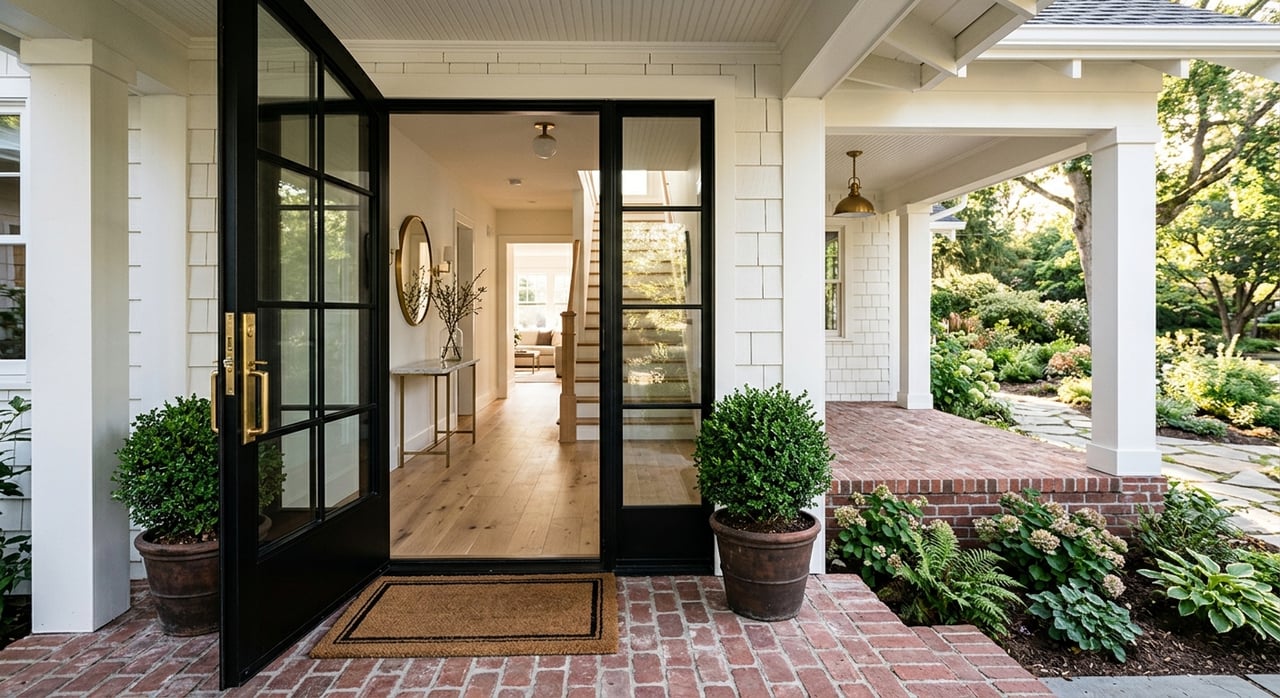
The residential core is known for Craftsman bungalows, cottages, and Foursquare houses. You will also find English Vernacular Revival cottages, Colonial Revival homes, Mediterranean-style houses, and Neoclassical designs.
That variety is one of the neighborhood’s strengths. The architecture feels cohesive from block to block, but it does not feel repetitive.
If you are picturing only detached homes, it helps to broaden that view. Apartment buildings increased notably between 1927 and 1937, and today Virginia-Highland includes both single-family homes and attached housing options.
Recent sales data shows that the neighborhood is not limited to larger houses. Redfin reported recent transactions including a 1-bedroom, 1-bath unit with 665 square feet sold for $275,000 and a 2-bedroom, 1-bath unit with 1,057 square feet sold for $400,000, alongside larger single-family homes.
Virginia-Highland Market Snapshot
Current pricing signals point to a neighborhood with a wide range of values depending on property type, size, and condition. Redfin reported a May 2026 median sale price of $722,257 and a median 19 days on market, describing Virginia-Highland as somewhat competitive.
Zillow’s neighborhood page placed the average home value at $973,941 with 42 homes for sale. Because these figures measure different things, the best way to read them is as a snapshot of current market conditions rather than a fixed price benchmark.
For buyers, that means preparation matters. For sellers, it reinforces the value of precise pricing and strong presentation, especially in a neighborhood where architecture, updates, and location within the district can influence buyer response.
Walkability And Daily Convenience
One of Virginia-Highland’s biggest lifestyle draws is how easy it is to enjoy daily errands and local outings without needing to venture far. The North Highland corridor is a 1.4-mile stretch lined with trees, restaurants, bars, shops, fitness, and wellness services.
That corridor helps give the neighborhood its balance of historic charm and modern comfort. You get an established residential setting, but you are also near a compact commercial core that supports everyday routines and casual weekends.
The area also has a strong local event calendar. Community programming includes Porchfest, the farmers market, Restaurant Week, Candy Crawl, and Winterfest, all of which add to the neighborhood’s active, connected feel.
Parks And Outdoor Access
Virginia-Highland’s park network is not massive, but it is meaningful. John Howell Memorial Park spans 2.8 acres, Orme Park covers 6.6 acres, and the Virginia Highland Triangle is a small greenspot at Virginia Avenue and North Highland Avenue.
John Howell Park is often described as the neighborhood’s signature park, just blocks from the Virginia and North Highland intersection. These smaller parks give the area a steady rhythm of green space within the neighborhood itself.
You also benefit from proximity to larger outdoor destinations. Piedmont Park and the BeltLine border Virginia-Highland, and the BeltLine’s Eastside Trail runs from the tip of Piedmont Park to Reynoldstown while passing through Virginia Highland, Poncey-Highland, and Inman Park.
That is an important distinction if outdoor access matters to you. In Virginia-Highland, trail access is not just nearby on paper. It is part of how many people experience the neighborhood.
Local Landmarks And Longtime Favorites
Part of Virginia-Highland’s appeal comes from places that have been woven into the neighborhood for years. Atlanta History Center highlights Atkins Park, Moe’s & Joe’s, George’s Bar & Restaurant, and Neighbor’s Pub as long-running institutions.
Atkins Park is especially notable because it is identified as Atlanta’s oldest continuously licensed tavern. Fire House No. 19 on North Highland Avenue also stands out as the oldest operating fire station in Atlanta, designed to match the bungalow style found throughout the neighborhood.
These details matter because they help explain why Virginia-Highland feels more rooted than manufactured. The neighborhood’s identity comes from both its buildings and its longstanding gathering places.
How Virginia-Highland Compares Nearby
If you are still narrowing your search, Virginia-Highland often works well as a reference point. It sits beside Poncey-Highland to the south, Midtown and Piedmont Park to the west, Morningside to the north, and Druid Hills and Atkins Park to the east.
A practical way to think about it is this: Virginia-Highland offers older housing stock, a compact but active commercial strip, and access to parks and the BeltLine. That puts it in a useful middle ground between a more purely residential historic neighborhood and a more vertical, downtown-adjacent district.
If Midtown appeals to you for access and energy, Virginia-Highland may feel more residential. If Morningside appeals for classic homes, Virginia-Highland may offer a more immediate connection to shops, dining, and trail access. If you are considering Poncey-Highland, Virginia-Highland may feel more centered on neighborhood streets and historic housing character.
What Buyers Should Keep In Mind
If you are considering a move here, pay close attention to property type, condition, and exact location within the neighborhood. Virginia-Highland includes everything from smaller attached homes to larger single-family residences, so your experience and budget range can vary significantly.
You should also look closely at how the home balances historic character with modern function. In a neighborhood like this, layout, renovations, storage, parking, and outdoor space can shape day-to-day comfort just as much as square footage.
Because the market can move quickly, clear strategy matters. In a competitive setting, being well prepared helps you act confidently when the right property comes up.
What Sellers Should Keep In Mind
For sellers, Virginia-Highland rewards thoughtful positioning. Buyers are often responding to architecture, presentation, and lifestyle as much as they are responding to raw numbers.
That means pricing discipline and polished marketing are especially important. Homes with strong visual appeal, updated interiors, and a clear story about location and livability are often better positioned to capture attention.
In a neighborhood with both historic homes and attached options, it also helps to understand your most likely buyer from the start. A precise strategy can make the difference between simply listing a property and bringing it to market in a way that aligns with buyer expectations.
If you are thinking about buying or selling in Virginia-Highland, working with a local advisor who understands architecture, pricing nuance, and intown buyer behavior can help you move with more clarity. To start the conversation, connect with Stephen Beckwith.
FAQs
What is Virginia-Highland known for in Atlanta?
- Virginia-Highland is known for its historic streets, early-20th-century homes, walkable North Highland corridor, neighborhood parks, and access to Piedmont Park and the BeltLine.
What types of homes are available in Virginia-Highland?
- Virginia-Highland includes Craftsman bungalows, cottages, Foursquare houses, other historic architectural styles, and some attached housing such as smaller units and apartment-style residences.
Is Virginia-Highland walkable for daily errands and dining?
- The neighborhood is widely noted for walkable access to shopping, dining, nightlife, and parks, especially along the 1.4-mile North Highland corridor.
Are there parks in Virginia-Highland?
- Yes. Key neighborhood green spaces include John Howell Memorial Park, Orme Park, and the Virginia Highland Triangle, with additional access to Piedmont Park and the BeltLine nearby.
How does Virginia-Highland compare with Midtown and Morningside?
- Virginia-Highland generally offers a blend of historic housing, a compact commercial core, and outdoor access, which can make it feel more residential than Midtown and more immediately connected to shops and trails than some nearby historic areas.
What is the current home price range in Virginia-Highland?
- Recent public data shows different market signals, including a May 2026 median sale price of $722,257 reported by Redfin and an average home value of $973,941 reported by Zillow, reflecting variation by property type and methodology.